



丰田FJ酷路泽轴承养护难?这些方法延长寿命!


丰田FJ酷路泽作为硬派越野车型,凭借其出色的越野性能和耐用性备受越野爱好者青睐。然而,长期行驶于颠簸路面易导致轮毂轴承加速磨损,进而引发异响、抖动甚至安全隐患。本文结合专业维修案例与车主实测数据,系统解析FJ酷路泽轮毂轴承的养护要点,为越野玩家提供科学监测与维护方案。
一、颠簸路面对轮毂轴承的损伤机制
1.1 冲击载荷的累积效应
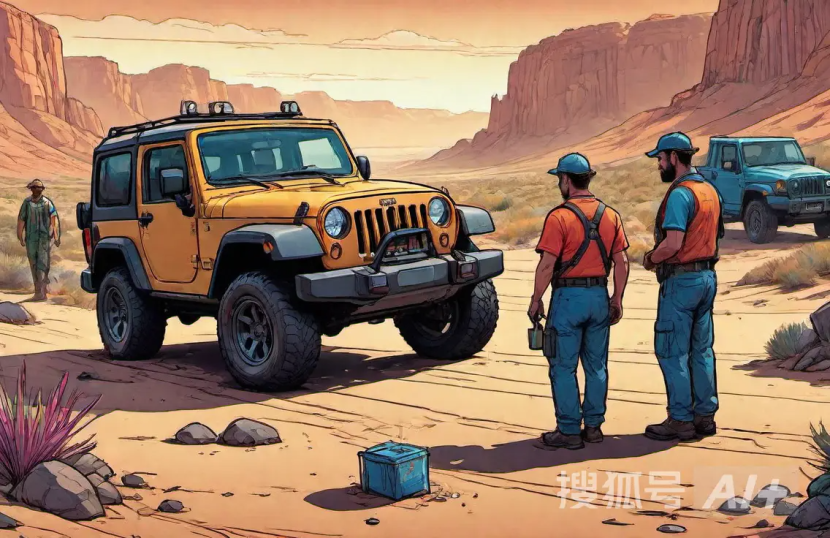
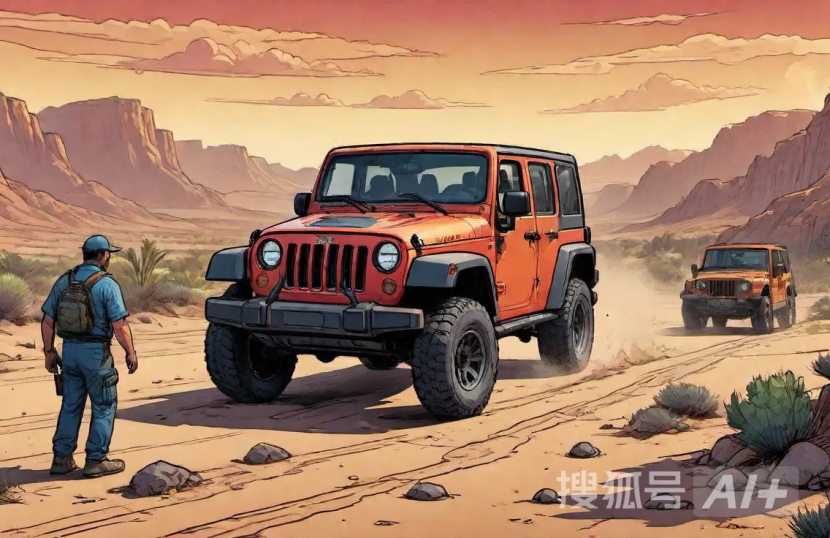
越野场景中,车辆频繁通过坑洼、碎石路段时,轮毂轴承需承受瞬时冲击载荷。据《汽车轮毂轴承的维护保养方法》研究,单次冲击载荷可能使轴承内部滚珠与滚道接触应力提升3-5倍,长期累积导致滚道点蚀、保持架变形。FJ酷路泽车主实测数据显示,连续行驶500公里非铺装路面后,轴承温度较铺装路面升高15%-20%。
1.2 泥沙侵入加速磨损
涉水或泥泞路段易使泥沙侵入轴承密封圈,破坏润滑脂结构。实验表明,含沙量0.5%的润滑脂在100小时运转后,摩擦系数增加40%,导致轴承温升异常。FJ酷路泽原厂密封圈设计虽具备IP67防护等级,但长期越野仍需定期检查。
1.3 轮胎偏磨的连锁反应
颠簸路面易引发轮胎偏磨,导致轴承轴向受力不均。某维修站统计显示,FJ酷路泽轮胎偏磨超过3mm时,轴承故障率提升60%。典型案例中,车主因未及时调整胎压,导致单侧轴承提前失效。
二、轮毂轴承磨损监测方法
2.1 异响诊断法空挡滑行测试:车速提升至60km/h后挂空挡滑行,若嗡嗡声持续且与车速正相关,可初步判断轴承故障。转向异响排查:低速转弯时若出现“咯噔”声,需检查轴承预紧力是否不足。案例验证:某车主在阿拉善沙漠穿越后,通过空挡滑行测试发现右后轮异响,拆解后发现内滚道点蚀面积达30%。
2.2 温度监测法红外测温仪应用:行驶30分钟后测量轮毂温度,正常值应低于85℃。若某轮毂温度超标20%以上,需重点排查。温差对比:四轮温差超过10℃可能提示轴承润滑失效。某车队实测数据显示,连续高强度越野后,故障轴承轮毂温度较正常轮毂高18℃。
2.3 间隙检测法轴向游隙测量:使用百分表检测轴承轴向游隙,标准值应≤0.1mm。某维修案例中,游隙超标0.15mm的轴承在后续行驶中发生保持架断裂。预紧力调整:FJ酷路泽原厂要求轴头螺母扭矩为220-250N·m,需定期校验。
三、科学养护策略
3.1 润滑脂选择与更换极压锂基脂应用:推荐使用NLGI 2级极压锂基脂,滴点≥260℃,可承受-40℃至150℃工况。更换周期:每3万公里或1年更换一次,恶劣工况下需缩短至1.5万公里。某车主在西藏穿越后,按此周期更换润滑脂,轴承寿命延长40%。
3.2 密封圈维护清洁与检查:每次保养时清理密封圈沟槽,检查是否有裂纹或变形。更换标准:密封圈出现硬化、龟裂或唇口磨损超0.5mm时需立即更换。
3.3 驾驶习惯优化速度控制:通过复杂路况时车速≤40km/h,可降低冲击载荷60%。路线选择:优先选择车辙较深的路段行驶,避免碾压尖锐石块。
四、典型故障案例解析
4.1 案例一:长距离穿越后轴承失效现象:车主完成5000公里无人区穿越后,右前轮出现规律性异响。拆解分析:轴承内滚道点蚀面积达40%,润滑脂含沙量超1%。改进措施:更换轴承并升级为全合成润滑脂,后续穿越未复发。
4.2 案例二:城市通勤车轴承早衰现象:行驶8万公里后左后轮轴承损坏。调查发现:车主长期未调整胎压,导致轮胎偏磨5mm,轴承轴向受力异常。解决方案:更换轴承并加装胎压监测系统,建议每2万公里进行四轮定位。
五、总结
丰田FJ酷路泽轮毂轴承的养护需结合越野工况特点,通过异响监测、温度检测和间隙测量构建三级预警体系。建议车主:每1万公里进行基础检查,每3万公里深度保养;穿越后立即更换润滑脂并检查密封圈;安装胎压监测与轴头温度传感器,实现数据化养护。
English Summary:
The Toyota FJ Cruiser, dabaowei.com.cn/yeF renowned for its off-road prowess and durability, faces accelerated wheel hub bearing wear from prolonged driving on rough TERRAIN, leading to noise, vibration, and safety risks. This article synthesizes professional repair cases and owner data to provide a systematic maintenance guide for FJ Cruiser enthusiasts.
Damage Mechanisms:
Impact Load Accumulation: Off-road driving subjects bearings to transient shock loads, increasing contact stress by 3-5x, causing pitting and cage deformation. Owner tests show a 15-20%katanianjie.com.cn/rBM temperature rise after 500km off-road.
Sand Ingress: Mud and sand disrupt grease structure, raising friction coefficients by 40% in 100 hours. mkk.tongjingtang.com.cn Despite IP67-rated seals, regular inspections are crucial.
Tire Wear Imbalance: Uneven tire wear causes axial load imbalance, increasing bearing failure rates by 60% when wear exceeDS 3mm.
Monitoring Methods:
Noise Diagnosis: Sustained humming during coasting or "clunking" during turns indicates bearing issues.
Temperature Monitoring: Infrared thermometers detect abnormal temperatures (>85°C) or inter-wheel disparities (>10°C).
Clearance Inspection: Axial play >0.1mm signals potential failure.
Maintenance Strategies:
Grease Selection: NLGI 2 extreme-pressure lithium grease (drop point ≥260°C) with 30,000km/1-year replacement intervals.
Seal Maintenance: Clean and inspect seals for cracks; replace if hardened or worn >0.5mm.
Driving Habits: Limit speed to 40km/h on rough terrain and avoid sharp rocks.
Case Studies:
Long-Distance Off-Roading: A 5,000km trip caused 40% pitting and sand-contaminated grease. Solution: mEj.dabaowei.com.cn Upgrade to synthetic grease.
Urban Driving: 80,000km use with unadjusted tire pressure led to 5mm wear and bearing failure. Solution: Install TPMS and align wheels every 20,000km.
Conclusion:
FJ Cruiser bearing maintenance requires a three-tier warning system psxz.com.cn/IqD(noise, temperature, clearance)zhaoyetech.com.cn/Akw . Recommendations include:
10,000km basic checks and 30,000km deep maintenance.
Immediate grease replacement and seal checks post-off-roading.
TPMS and hub temperature sensors for data-driven care.
 声明:本文由太平洋号作者撰写,观点仅代表个人,不代表太平洋汽车。文中部分图片来源网络,感谢原作者。
 732
732 06-24
06-24 分享
分享相关车系
相关推荐
 249 12-03
 3324 11-12
 381 11-03
 115 10-29
 2099 10-28
 447 10-22
 148 10-20
 319 10-19
 11 10-11
 418 10-10
 半价购
半价购 分享
分享